Cruises are often marketed as all-inclusive vacations, promising luxury, entertainment, meals, and travel bundled into one attractive price. For first-time travelers, this can feel like a stress-free way to explore multiple destinations without constantly unpacking or planning logistics. However, once onboard, many travelers quickly realize that the base fare is only the starting point. In reality, hidden costs on cruises can significantly inflate the final vacation bill if you are not prepared for them.
The problem is not that cruise lines are deceptive, but that many additional charges are buried in fine print or presented as optional upgrades. First-time cruisers, unfamiliar with how cruise pricing works, often assume that everything onboard is covered. By the end of the trip, expenses such as service charges, specialty dining, excursions, and onboard activities can add hundreds or even thousands of dollars to the total cost. Understanding these hidden cruise expenses in advance helps you budget realistically and avoid unpleasant surprises after your vacation ends.
Gratuities and Service Charges Add Up Quickly
One of the most common hidden costs on cruises is automatic gratuities. Most cruise lines charge daily service fees for housekeeping, dining staff, and other crew members. These charges are often added automatically to your onboard account, ranging anywhere from $14 to $20 per person per day. For a family or group traveling for a week, gratuities alone can become a significant expense that many first-time travelers do not anticipate when booking their cruise.
While some cruise lines allow passengers to prepay gratuities, many travelers overlook this option and only notice the charges once they see their onboard bill. Even if you choose to remove or adjust gratuities, social pressure often discourages guests from doing so. Additionally, extra tips may still be expected for room service, spa services, or exceptional dining experiences. Planning for gratuities in advance ensures that these service fees don’t feel like an unexpected financial burden at the end of your cruise.
Specialty Dining and Premium Food Experiences
Although cruises include main dining rooms and buffet meals, not all food onboard is truly free. One of the most underestimated hidden costs on cruises is specialty dining. Steakhouse restaurants, sushi bars, chef’s table experiences, and themed dining venues usually come with an additional per-person fee or à la carte pricing. First-time cruisers are often tempted by these upgraded dining options, especially when they are heavily promoted onboard.
These premium dining experiences can cost anywhere from $25 to over $100 per person for a single meal. While one or two specialty dinners may seem harmless, multiple visits can dramatically increase your cruise expenses. Even casual items like specialty coffee, fresh-pressed juices, or late-night snacks may not be included in your fare. Knowing what food is complimentary and what costs extra allows you to enjoy onboard dining without overspending or feeling restricted during your vacation.
Beverage Packages vs. Pay-As-You-Go Costs
Drinks are another major source of hidden costs on cruises, especially for travelers who assume beverages are included. Most cruise lines charge separately for alcoholic drinks, sodas, bottled water, specialty coffee, and mocktails. Individual drink prices onboard are often higher than on land, making casual consumption surprisingly expensive over several days.
Beverage packages are marketed as a cost-saving solution, but they are not always the best deal for every traveler. These packages often come with daily limits, restrictions on premium brands, and rules requiring all adults in the same cabin to purchase the package. For light drinkers, paying per drink may actually be cheaper. Understanding your personal consumption habits and carefully reviewing package terms helps you avoid unnecessary beverage expenses that inflate your cruise budget.
Shore Excursions and Port Activities
Shore excursions are one of the most exciting parts of a cruise, but they are also among the biggest hidden costs on cruises. Cruise-line-organized excursions are convenient and well-coordinated, but they often come with premium pricing. Guided tours, adventure activities, and cultural experiences can cost hundreds of dollars per person, especially at popular ports.
First-time travelers may feel pressured to book excursions directly through the cruise line due to perceived safety and timing concerns. While these excursions are reliable, they are rarely the most budget-friendly option. Independent tour operators at ports often offer similar experiences at lower prices. Planning excursions in advance and comparing options allows you to enjoy destinations fully without overspending on overpriced activities.
Internet and Wi-Fi Charges
Staying connected at sea is far from free. Internet access is one of the most overlooked hidden costs on cruises, particularly for travelers who expect basic Wi-Fi to be included. Cruise ship internet packages are often expensive, slow, and sold by the day or by data usage rather than unlimited access.
Many cruise lines offer different tiers of internet packages, with higher prices for streaming or video calls. Even basic messaging packages can add unexpected costs to your onboard account. For travelers who need to work remotely or stay in touch with family, these fees can quickly become frustrating. Knowing in advance that internet access is a premium service helps set realistic expectations and prevents shock when reviewing your final bill.
Spa Services, Fitness Classes, and Wellness Extras
Cruise ships are floating resorts, and their spa and wellness offerings are designed to entice relaxation-seeking travelers. However, spa treatments are a significant contributor to hidden costs on cruises. Massages, facials, acupuncture, and salon services are rarely discounted and often priced higher than similar services on land.
Fitness classes such as yoga, pilates, or personal training sessions may also cost extra, even though gym access is usually free. First-time cruisers may assume wellness amenities are included, only to discover additional charges later. Onboard promotions and “limited-time” spa deals can further encourage impulse spending. Setting a wellness budget in advance helps you enjoy these services without overshooting your vacation expenses.
Onboard Entertainment and Activity Fees
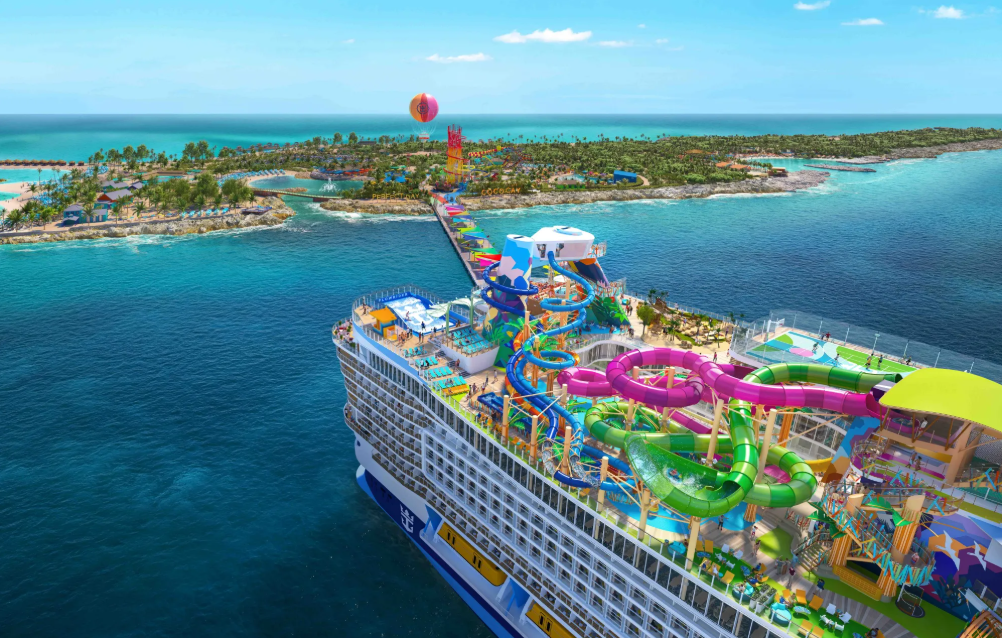
While many shows and performances are included, not all entertainment is free. Another category of hidden costs on cruises includes specialty activities such as escape rooms, go-kart tracks, virtual reality experiences, and private tastings. These attractions are especially common on newer cruise ships designed to appeal to families and younger travelers.
The fees for these activities may seem small individually, but they add up quickly over the course of a week. Families with children are particularly vulnerable to these expenses, as kids often want to try multiple paid attractions. Reviewing the daily cruise planner and identifying which activities cost extra helps you prioritize experiences without overspending.
Shopping, Photos, and Souvenirs
Onboard shopping and photography are carefully designed to encourage spending. Professional photos taken at dinners, formal nights, or embarkation are another example of hidden costs on cruises. While posing for photos is free, purchasing prints or digital copies can be surprisingly expensive.
Duty-free shops onboard sell jewelry, watches, alcohol, and souvenirs, often marketed as exclusive deals. First-time cruisers may assume these purchases are tax-free bargains, but prices are not always better than on land. Setting spending limits for photos and souvenirs ensures you enjoy the memories without buyer’s remorse after the cruise ends.
Medical Services and Unexpected Needs
Medical care onboard is not covered by your cruise fare and can be extremely costly. Visits to the ship’s medical center, medication purchases, or emergency treatments fall under hidden costs on cruises that many travelers overlook. Even minor issues like seasickness or dehydration can result in unexpected charges.
Travel insurance helps mitigate these expenses, but many first-time cruisers skip coverage to save money upfront. Considering the high cost of onboard medical services, insurance is often a wise investment. Planning for unexpected situations ensures that health-related expenses don’t turn into a major financial setback during your cruise.
Final Thoughts: Budget Smarter, Cruise Better
Cruises can still be an excellent value, but only when travelers understand the full financial picture. The reality is that hidden costs on cruises are not rare—they are simply part of how cruise vacations are structured. From gratuities and dining upgrades to excursions and onboard activities, these expenses can significantly affect your total vacation cost.
By researching these costs in advance, setting realistic budgets, and making informed choices onboard, first-time travelers can enjoy their cruise without financial stress. Awareness is the key to transforming your cruise from a budget shock into a truly relaxing and memorable experience.